
10 Most Used Conductive Fiber in Smart Textile

Introduction
This article is about used of conductive fiber in smart textiles. This fiber is different from conventional fibers. It has electrical conductivity as well as textile properties such as flexibility, softness, and lightness. These fibers may be obtained by metal coating, by blending conductive particles or by using intrinsically conductive polymers. Conductive fibers are widely used in smart textiles, wearable electronics, electromagnetic interference (EMI) shielding, antistatic clothing, heating garments, sensors, and medical textiles. They are an important material in modern advanced textile engineering because they can integrate electronic functions with textile comfort.
What is Conductive Fiber?
The fiber that transmits charge from one place to another is known as conductive fiber. It is an important invention of smart textile as well as material science. These fibers are used in smart textiles, wearable electronics, electromagnetic shielding, sensors, heating garments, medical textiles, and energy storage devices.
How does conductive fiber work?
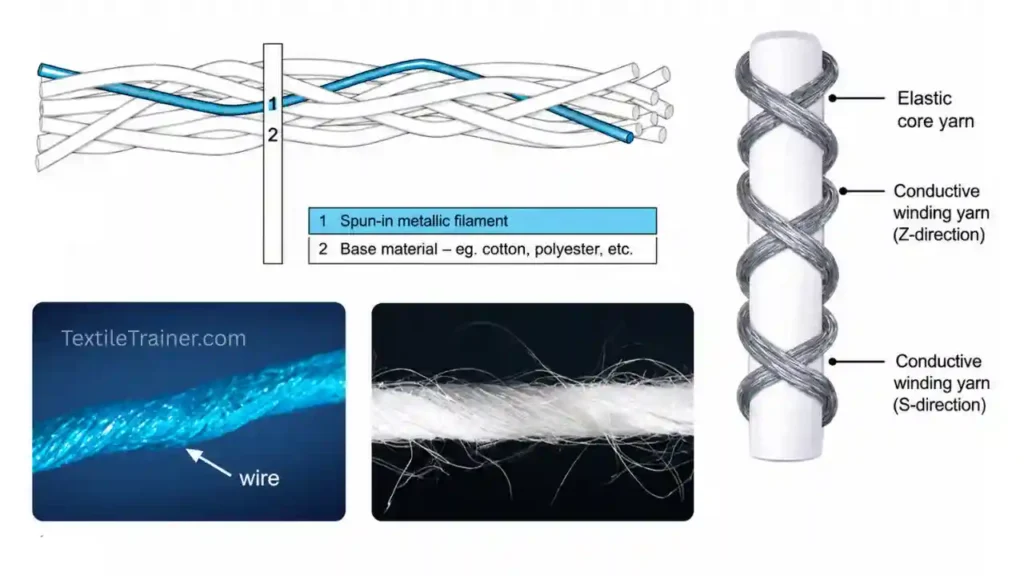
Most conductive fibers are composed of more than one fiber. Among those, one fiber acts as conductor which provides a path inside or on the surface of the textile fibers. Another fiber, such as cotton, polyester, or nylon, acts as an insulator which block electricity. In smart textiles, this fiber transfers electric signals, generates heat, senses pressure or temperature, detects body movement, as well as blocks electromagnetic radiation. The fibers work together with sensors, batteries, and other electronic components.
10 Most Used Conductive Fiber
1. Carbon fiber
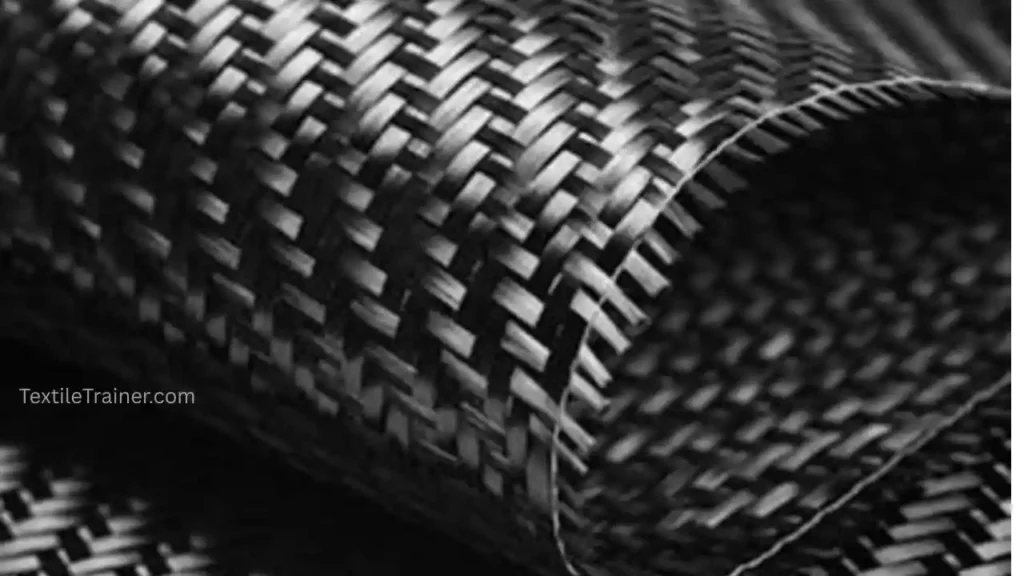
This fiber is the most used conductive fiber in smart textiles. Carbon fibers are strong, lightweight, and moderately conductive. This fiber is used in structural and heating purpose at the smart textiles.
2. Carbon nanotube (CNT) fibers
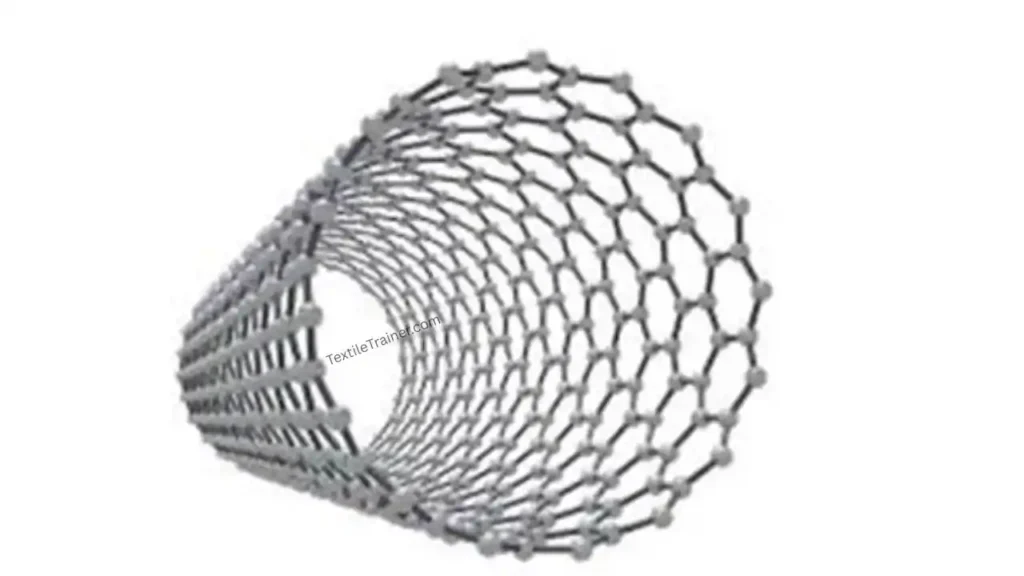
This nano-tubes are cylindrical carbon-based conductive fibers. Carbon nano-tubes are highly conductive and strength. It is also used in smart textile.
3. Graphene fibers
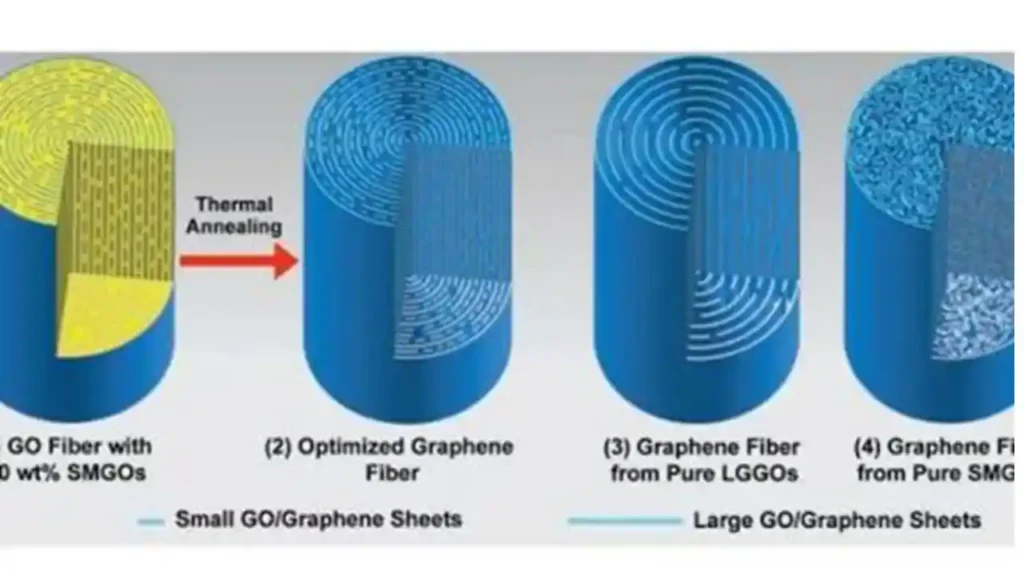
This fiber is one dimensional carbon-based conductive fiber. Graphene is high mechanically flexible, high surface area and electrically conductive.
4. Stainless steel fibers
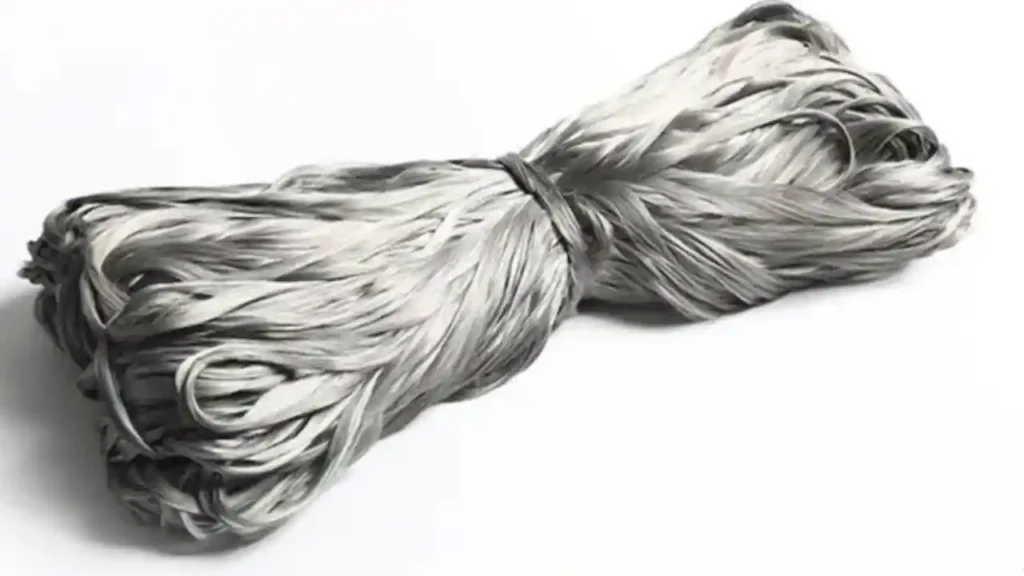
These fibers are the most common metallic fibers in the smart textile sector. It is highly durable and washable. Stainless steel fibers are widely used in e-textiles.
5. Silver coated fibers
Silver coated fiber are also practiced in textile. A thin coating of silver metal is imposed on fiber to make it conductive and antimicrobial. Silver coated fiber are used in medical and wearable textile.
6. Copper coated fibers
Copper coated fibers are good conductive than other metal based fibers. Polyester, nylons and wool fiber are used as the core of copper coated fiber.
7. Conductive ink-printed
Sometimes conductive ink is print on yearn or fabric to make it conductive. In this method screen printing or inkjet printing are practiced.
8. Polyaniline (PANI) fibers
Polyaniline is a widely used intrinsically conducting polymer. This fiber is flexible, lightweight, tunable conductive. Advance spinning technology is used to make Polyaniline (PANI) fiber.
9. Polypyrrole (PPy) fibers
Polypyrrole (PPy) fibers are threads like forms of Polypyrrole (PPy). These fibers are conductive and biocompatible. It is used in biosensors.
10.PEDOT: PSS fibers
These fibers are combination of PEDOT (Poly(3,4-ethylenedioxythiophene)) and PSS (Polystyrene Sulfonate). These fibers are highly processable and widely used in organic electronics
Beside those Composite Conductive Fibers (Such as Polyester/CNT Composite , Nylon/graphene composite etc), Semiconductor and nanomaterial- based fiber (Such as MXene coated fiber, nanowire coated etc) and modified natural (such as Conductive silk, Conductive wool, Conductive bamboo etc).
Application of Conductive fiber
There are many applications of this fiber. Some of those are described below
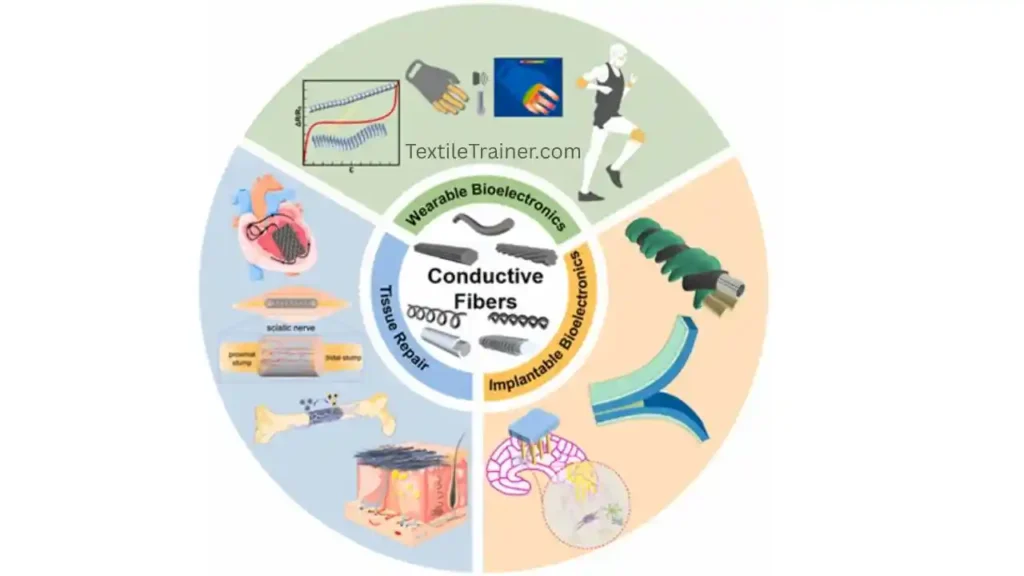
- Smart Textiles and Wearable Electronics: Conductive fibers are used in signal transition, data collection, motion sensing and were less communication at smart textile such as e-textile, Interactive sportswear, touch sensitive gloves etc.
- Electromagnetic Interference (EMI) Shielding: It protects human body and electronic devices from electromagnetic radiation.
- Antistatic Textiles: Conductive fibers dissipate static electricity generated by friction in different industrial area such as cleanroom garments, Electrical power plant areas, packaging industry etc.
- Heating Textiles: In heating textile conductive fibres are also used. The flow current through conductive fibers make heat and give comfort to the consumer.
- Textile Sensors: Some conductive fibers act as sensors by changing electrical resistance under pressure, strain, or motion and used in smart textile such as heart rate monitoring, motion detecting, pressure sensing fabric.
- Medical and Healthcare Textiles: Conductive fibers are used in ECG monitoring garments, smart bandage etc. Real time monitoring is possible by smart textile.
Besides those, this fiber is used in military, sports, and physical fitness fabric.
Advantage of conductive fiber
This fiber has many advantages. Some of them are given below:
- Conductive fibers make smart textiles electrically conductive
- It makes textile flexible and comfortable.
- It makes garments lightweight
- It develops different property such as antistatic property, EMI shielding capability, heating functionality, sensor capability etc at the smart textile.
- Conductive fibers are durable, wash able and corrosion resistance
- It gives comfort and safety to the consumer.
Disadvantage of conductive fiber
In spite of having more advantage conductive fiber has some challenges. Some of those are given below:
- The production cost of this fiber is higher than that of other fibers.
- After repeated washing some conductivity is reduced sometimes.
- Some conductive fibers are corrosive and oxidative.
- There are some limitations in flexibility in metal conductive fiber.
- Its manufacturing process is complex
- The metal based conductive fiber weight is higher.
Conclusion
Conductive fiber has a vast use in smart textile such as wearable electronics, heated textiles, EMI shielding etc. There are some challenges to proper use of this fiber in smart textile. Again, to build up conductive fibers some property as electrical conductivity, flexibility, tensile strength, washing durability, thermal stability is taken under consideration. However, more study is needed for its accurate and more application at the textile.
Reference:
- https://www.sciencedirect.com/science/aarticle/pii/S2452199X22004388
- https://pmc.ncbi.nlm.nih. gov/articles/PMC9588989/
- https://www.laird. com/products/enclosure-level-emi-shieldingconductive-fabric
- https://staticworx. com/glossaryconductive-fibers/
- https://kynsfepscor.uky. edu/next-gen-conductive-fibers
- https://shakespeare-pf. comconductive-fibers/
- https://www.sciencedirect.com/science/article/pii/S2452199X22004388


It is helpful for conductive textile processing
Thank you…please stay with us.
Thank you
Thank you too.