3 Key Denim Testing Parameters for Quality Control
Introduction
Denim is one of the iconic fabrics in the garment industry. It is mostly used for manufacturing jeans and jackets. The young generation uses jeans as a fashionable product. Hence, denim testing parameters is an important term for quality control. From the denim testing results, buyers can know the important properties of denim fabric. For example, strength, comfort, colorfastness, durability, and safety. Denim testing parameters help manufacturers check fabric quality and washing performance. Additionally, denim testing parameters also help maintain the buyer’s requirements. Besides, it also helps to keep the export standards of the denim fabric. From this article, one can know the denim testing parameters in detail for quality control.
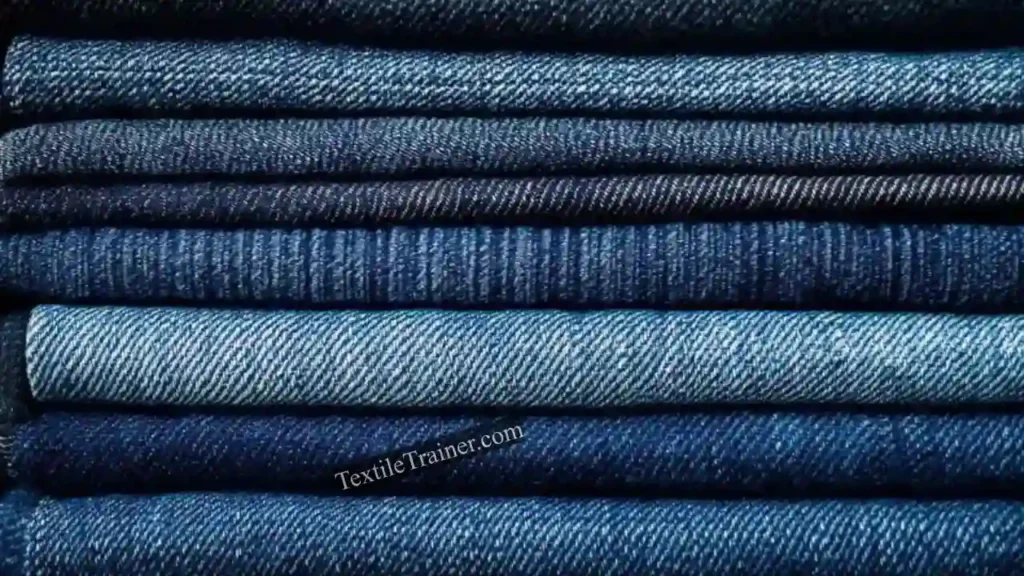
Denim Testing Parameters
Generally, denim test parameters are classified into three groups. They are:
- Chemical testing
- Physical testing
- Performance testing
Let’s come to learn all the testing parameters in detail one by one. I think this will help you for quality control of denim fabric.
1. Chemical Testing Parameter
From the chemical testing, the buyer or manufacturer can know whether harmful chemicals or substances are present in the fabric or not. Many international buyers are more concerned about their customers’ safety. Hence, they follow strictly chemical regulations. Following the common chemical test parameters:
- pH value: This test identifies the acidity or alkalinity of the denim fabric. It is an important testing parameter. An incorrect pH may cause skin irritation in the human body.
- Formaldehyde content: This is another denim testing parameter. Formaldehyde is a harmful chemical. Sometimes it gets in textile finishing agents. This test measures the amount within the safe limit.
- Heavy metals: The heavy metals test helps to determine the harmful metals. Harmful metals such as lead, mercury, and cadmium.
- Nickel Release: Garments trims, and accessories contain nickel. Sometimes, trims and accessories release nickel. Nickel creates a skin allergy problem in the human body.
- Phthalates: This is the ester of phthalic anhydride. It is called phthalates. They are used to soften polyvinyl chloride. They are used to improve the flexibility, transparency, and longevity of plastics.
- Azo Dyes: Azo dyes are toxic to aquatic life. It has negative long-term impacts.
- DMFu Test: Dimethyl fumarate is a harmful chemical. Generally, this chemical is used against mold growth.
- PCP and TCP: Pentachlorophenol and tetrachlorophenol are toxic chemicals and are strictly controlled.
2. Physical Testing of Denim
Physical testing checks the denim fabric strength, construction, and structure. The common physical testing parameters for denim fabric are given below:
- GSM: GSM means grams per square meter. From this denim testing parameter, the buyer can determine the fabric weight per square meter.
- Tensile strength: Tensile strength is the most important testing parameter. It measures the breaking strength of denim fabric.
- Tear strength: This test measures the resistance against the tearing force.
- Seam strength: Seam strength determines the durability of stitched seams of denim pants.
- Seam slippage: Seam slippage measures the seam opening resistance of denim pants.
- Dimensional stability: This a fabric shrinkage test. This test determines the denim fabric shrinkage after washing.
- Spirality or Skewness: It checks leg twisting after washing of the jeans pants.
- Pilling resistance: Pilling resistance measures resistance against surface fuzz and pills.
- Abrasion resistance: It checks the rubbing durability of the fabric surface.
- Stretch and recovery: stretch and recovery measure the elastic behavior and recovery performance of denim fabric.
- Thickness test: The thickness test measures denim fabric thickness.
- Yarn count: These denim testing parameters determine the yarn fineness.
- EPI and PPI: EPI means ends per inch, and PPI means picks per inch. It measures the fabric density.
3. Performance Testing of Denim
Performance testing checks denim fabric behavior after washing. It also determines the changes in properties after using denim pants. The following are some common performance denim testing parameters:
- Color fastness to wash: Color fastness to wash checks the color durability during washing or after washing.
- Color fastness to rubbing: it measures the color staining during rubbing. There are two types: one is dry color fastness to rubbing, and the other is wet color fastness to rubbing.
- Perspiration fastness: Perspiration fastness determines the sweat resistance.
- Light fastness: It measures the resistance against sunlight exposure.
- Hand feel assessment: Hand feel assessment checks softness and fabric comfort.
- Resin performance: This denim testing parameter measures the durability of resin finishing.
- Back staining: This measures indigo stain transfer during washing.
Special Denim Wash Testing
Different types of washing processes are done on denim pants. Hence, some special tests are required to determine the wash durability. Following some special denim testing:
| Enzyme wash performance | Stone wash evaluation |
| Bleach resistance | Resin curing test |
| Tint effect stability | Crinkle retention |
| Vintage effect durability | 3D effect durability |
Important Buyer Focus Points
Besides, denim testing parameters Denim buyers mainly focus on the below point. So, manufacturers should pay attention to the following point.
| Shrinkage control | Spirality |
| Color fastness | Tear strength |
| Stretch recovery | Shade consistency |
| RSL compliance | Fabric construction |
Common Denim Testing Standards
| AATCC | ASTM |
| ISO | OEKO-TEX |
| ZDHC | REACH |
Importance of Denim Testing
The following is the importance of denim testing
- Denim testing parameters help manufacturers control the production quality.
- It helps maintain manufacturers’ buyer satisfaction.
- Knowing denim testing parameters helps to reduce fabric defects improves garment quality.
- It also helps avoid shipment rejection and customer complaints.
- It also helps to ensure compliance with international standards.
Conclusion:
Denim testing parameters play an important role in denim manufacturing. This article tried to present maximum important testing parameters. I think this article will be helpful in your career life. Thanks for reading the article about denim testing parameters.